A good home-cooked meal does not require complicated techniques or an entire spice cabinet full of obscure ingredients. It does require knowing how flavours interact. Understanding the best herbs to use in combination with meats like pork lamb, salmon and beef, as well as what they do when cooked is one of the most important skills that any home chef can learn.
Herbs can serve a variety of purposes based on the type of meat. Herbs have different purposes depending on the type of meat. Some are used to cut down on fat while others add freshness and warmth. Others need heat and time to let their flavor release. If herbs are chosen with care it is a balanced taste, uncluttered and cooking becomes intuitive.
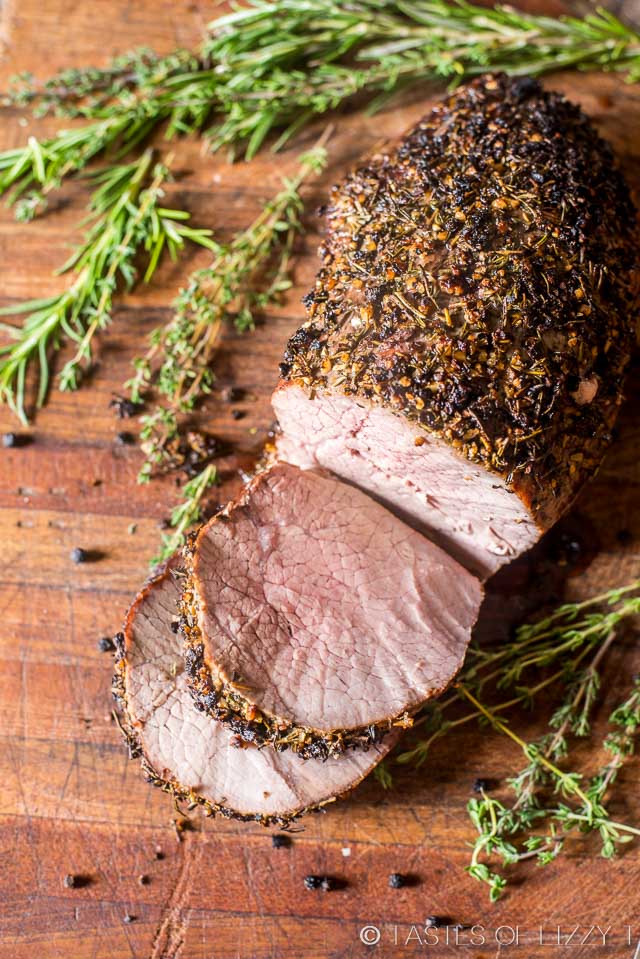
What Herbs are best with Pork and the reason they do?
Pork is naturally sweet and usually has a decent amount of fat, which makes it a natural herb lover. Understanding what herbs go with pork is a way to avoid dishes tasting bland or heavy.
Sage and rosemary work well because they bring richness along with deep flavor. Thyme is a mild earthiness that works across roasts, braises, and pan-fried cuts. Fennel enhances the sweetness of pork and is particularly effective in slow-cooked and sausages. Bay leaf enhances the flavor of the background in long cooking, while parsley enhances the taste of dishes when it is added at the conclusion of a meal.
Since pork is a great absorber of flavour, herbs can be mixed directly into marinades and ground meat instead of being used as a topping.
Which Herbs Work Well With Beef without overwhelming it
The herbs you choose should be chosen to compliment the boldness of beef, not overpower it. Matching intensity is key to knowing which herbs complement beef.
Woody herbs, such as rosemary, thyme and marjoram, stand up to high heats and long cooking time. They’re therefore perfect for braises, roasts, and steaks. Bay leaf gives a delicious aroma to stews, while sage brings a richness to slow-cooked meats. Oregano is particularly good when combined with tomato-based sauces, adding the sharpness of a savory edge.
You can use the lighter herb mixture for thin cuts, or stronger combinations for bigger cuts.
What kinds of herbs can be used with salmon to help balance it out, not weight?
Salmon’s rich, oily flesh is a great source of herbs that provide contrast and freshness. Knowing the right herbs to use to accompany salmon can help keep it from becoming heavy.
Dill has always been the most popular choice for salmon because it adds flavor but doesn’t overpower the flavor of salmon. Parsley, chives, and tarragon add brightness to food items, and it has a subtle and elegant taste that’s ideal for poached or baked dishes. Basil works well with salmon grilled, while thyme gives a warm touch to roasting.
Introduce delicate herbs at the end of the cooking process, because prolonged heat can alter their flavor. Citrus is a major factor in making herbs vibrant and balanced.
Herbs to be used in conjunction with different cuts of chicken
The mild flavor of chicken makes it one of the most flexible protein sources. Knowing what herbs go with chicken depends largely on whether you’re cooking white or dark meat.
Thyme and rosemary are wonderful for roasting, especially with skin-on pieces. Tarragon is a great ingredient in sauces made with cream or wine, while oregano goes well with Mediterranean cuisine or barbecued meats. Sage brings warmth to butter sauces and is a great match for dark meat. The most effective way to use parsley is to use it as a final spice. It gives a freshness to the dish.
The flavour of the meat will be enhanced if you put herb butter onto the meat prior to roasting.
What herbs are associated with Lamb and how to use them With Confidence
Lamb’s strong, slightly gamy taste is able to withstand strong herbs. Knowing the herbs that go with lamb enhances the depth of flavor without making the meat too strong.
Rosemary cut through the fat and stands up to grilling or roasting. Thyme as well as bay leaf and oregano are great for slow-cooked meals. Parsley and mint provide a freshness to food, particularly when they are added as finishing touches or in sauces. Coriander provides a citrusy taste to dishes that are spiced.
Lamb benefits from confident seasoning especially when cooked slow that absorb flavour over time.
Cooking with intention, not Uncertainty
Knowing what herbs work best with pork, beef and salmon, chicken and lamb eliminates the guesswork out of your cooking routine. This helps make menus, shop more efficiently, and achieve reliable outcomes.
Cooking becomes less of a trial and error experience when you make use of herbs with intent.